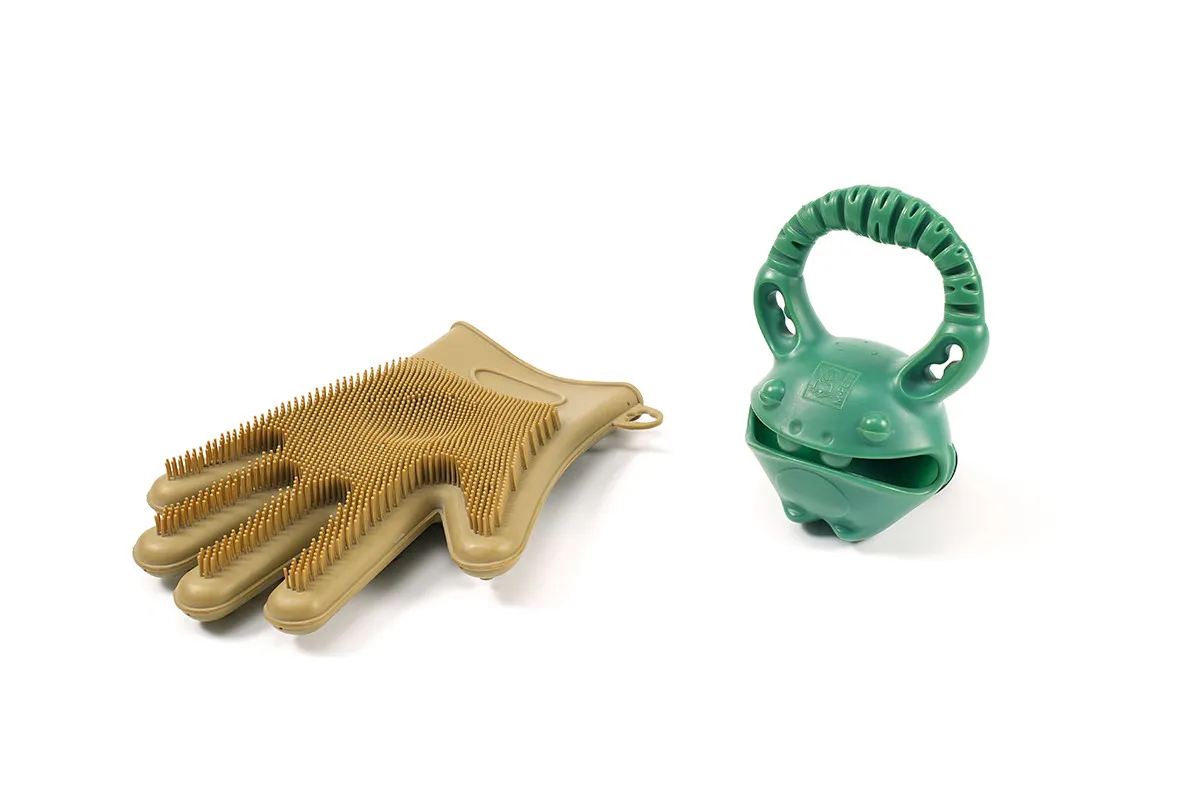
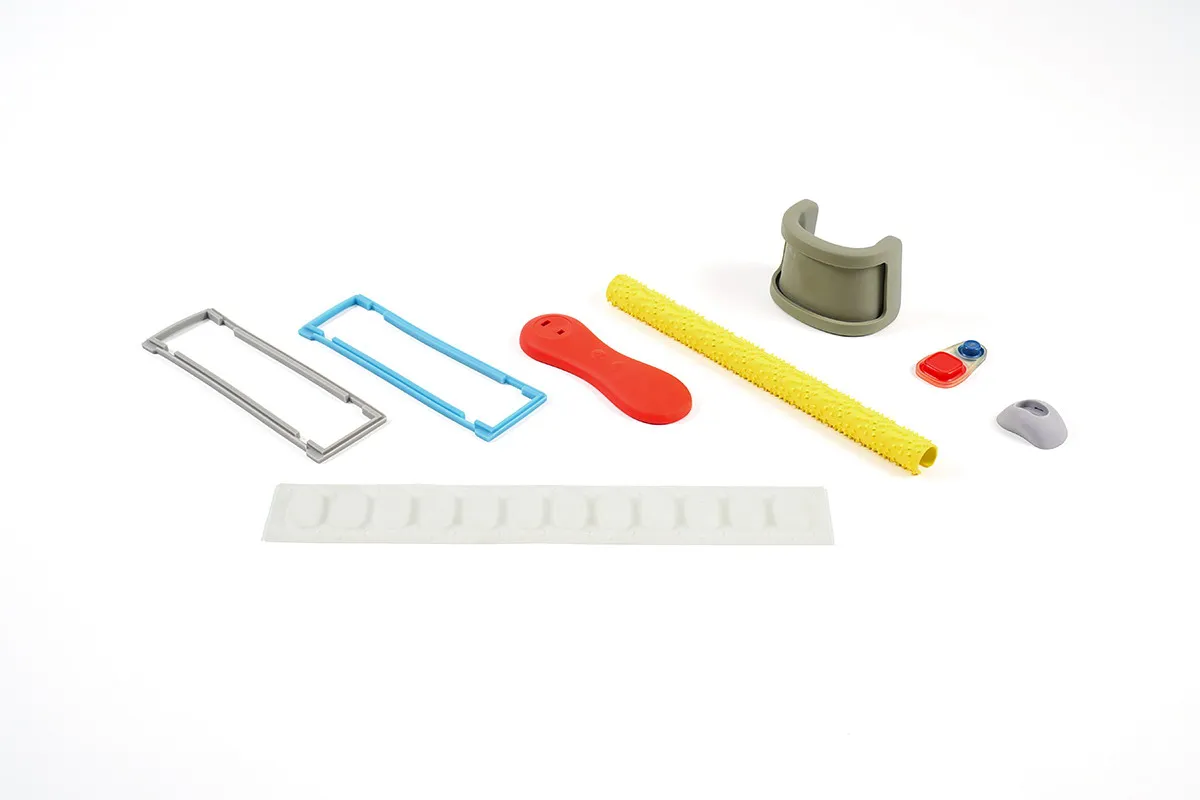
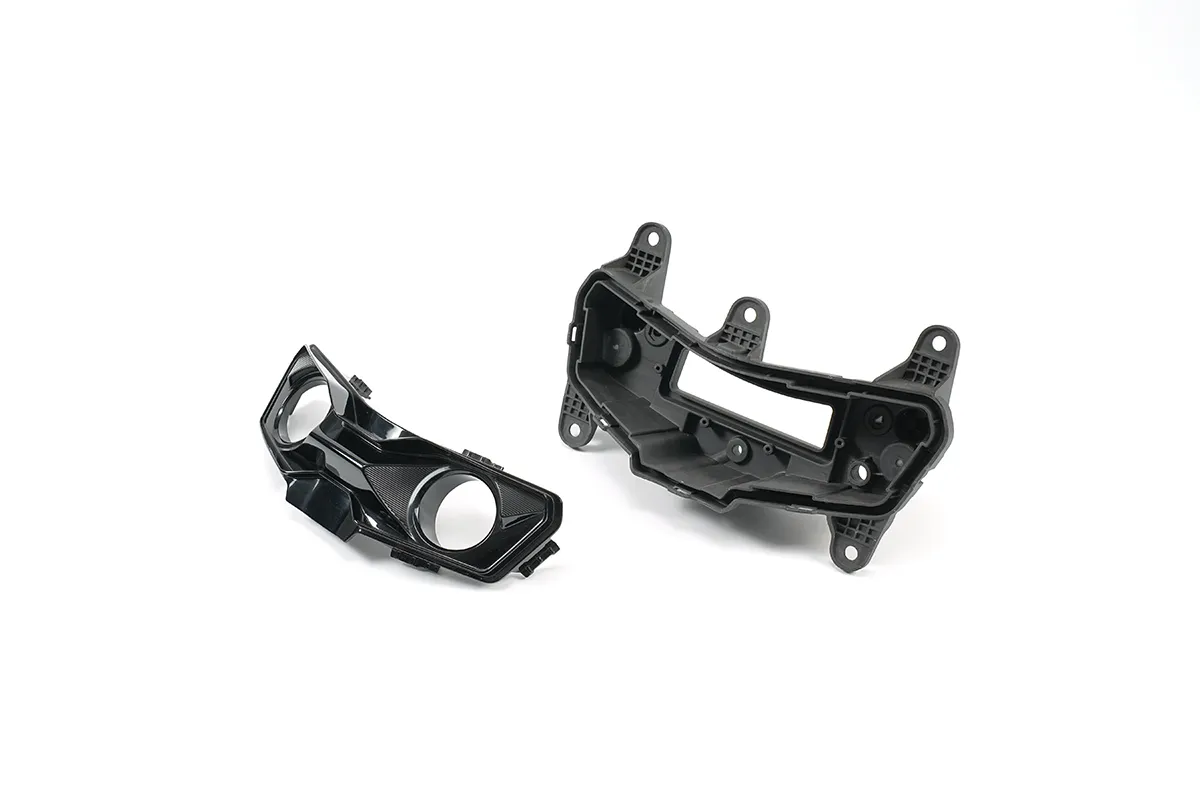
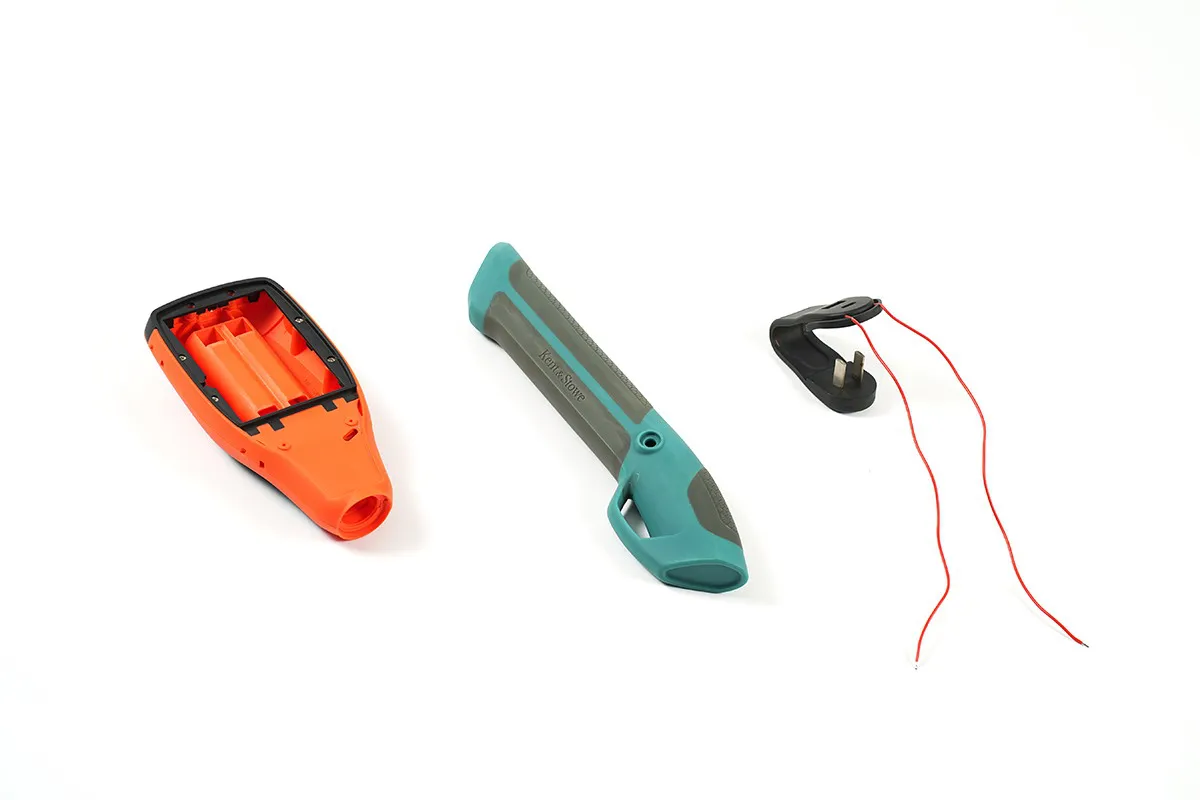
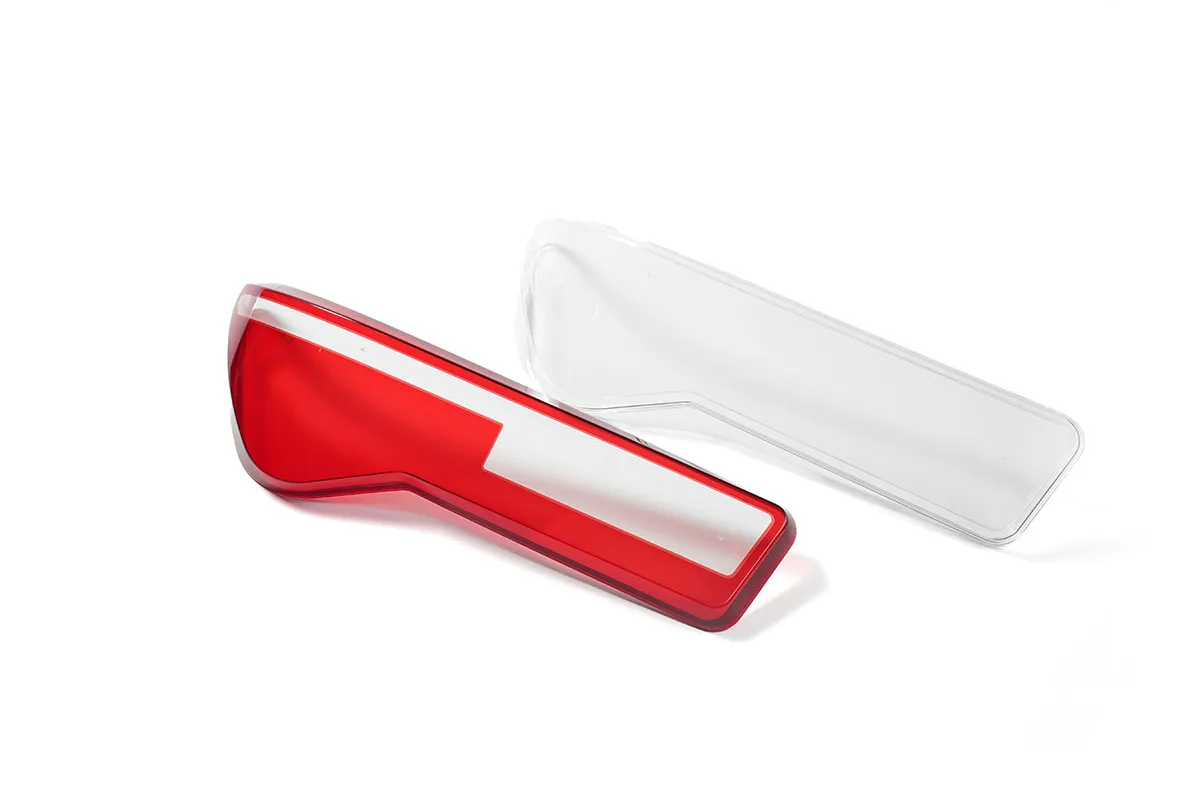
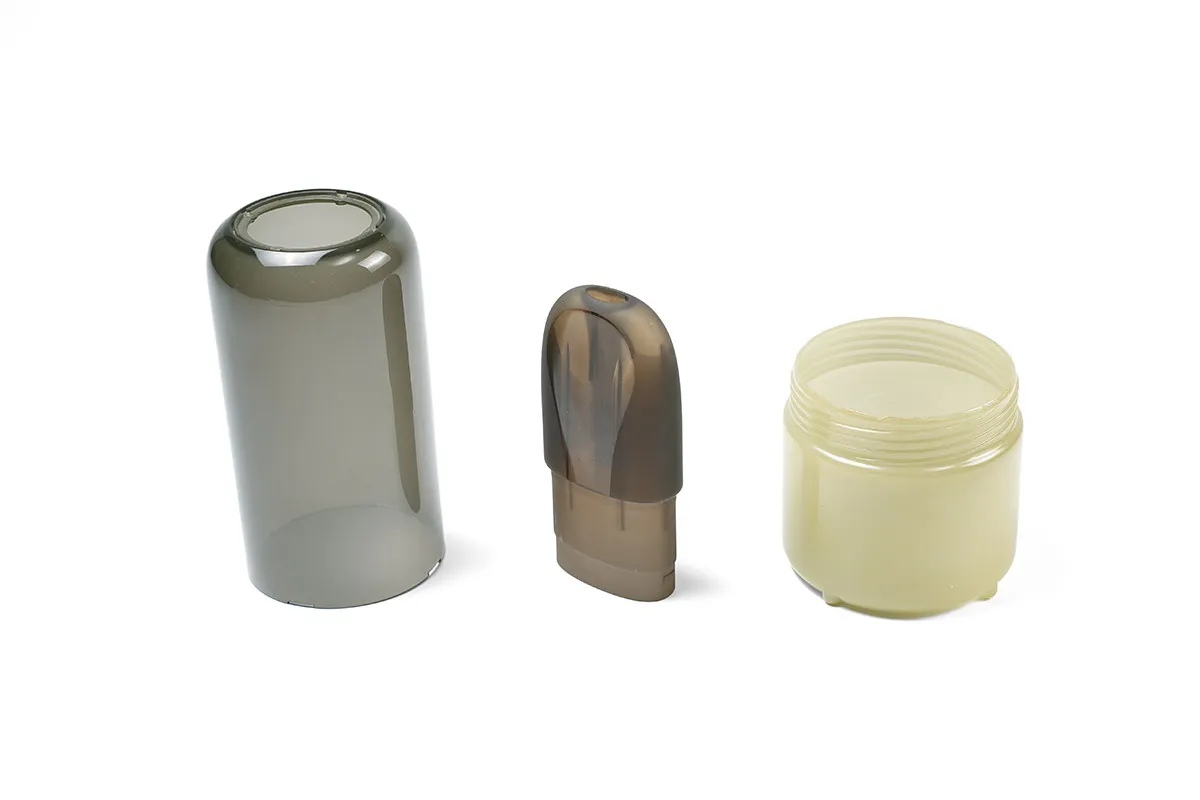
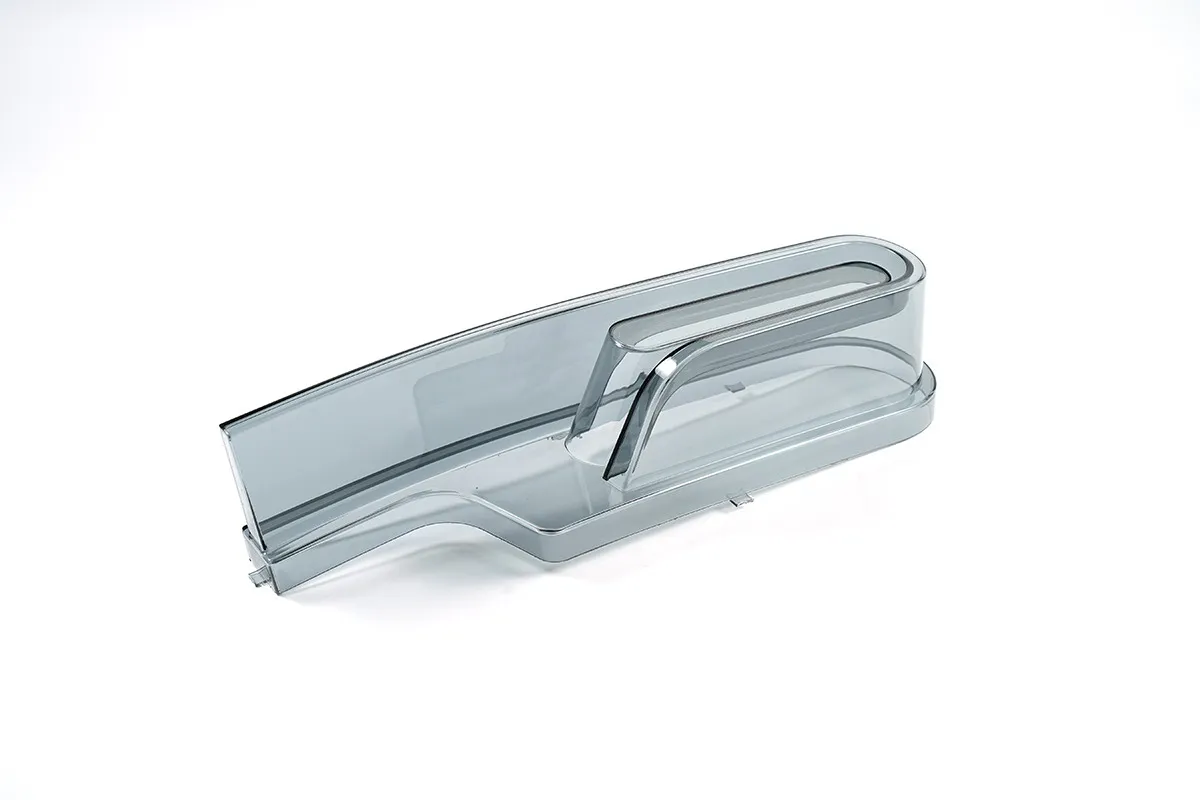
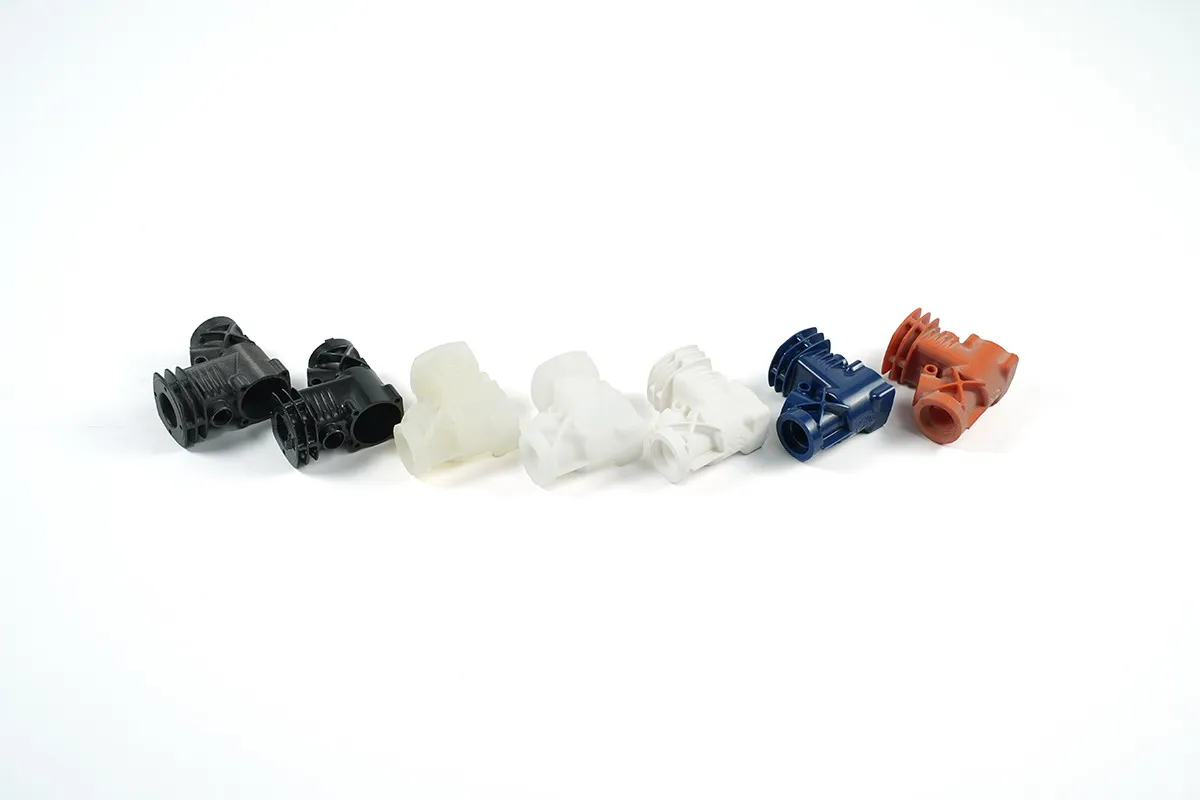
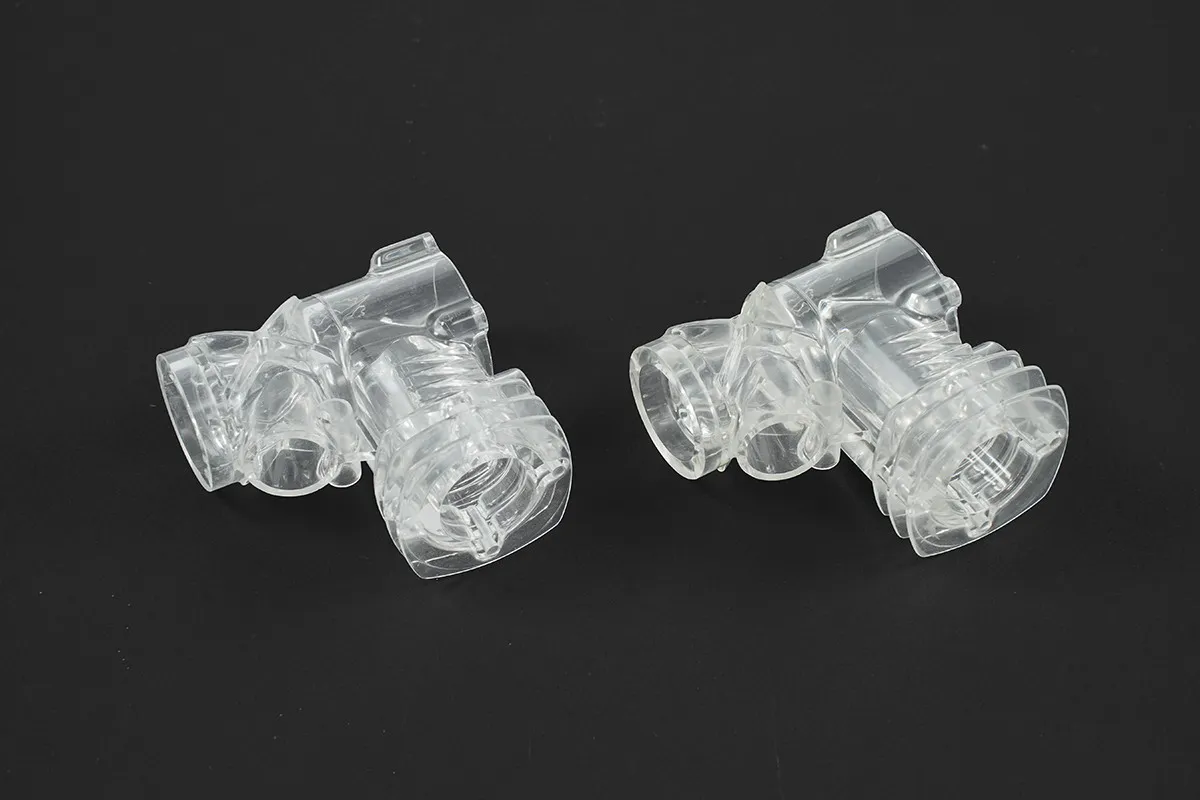
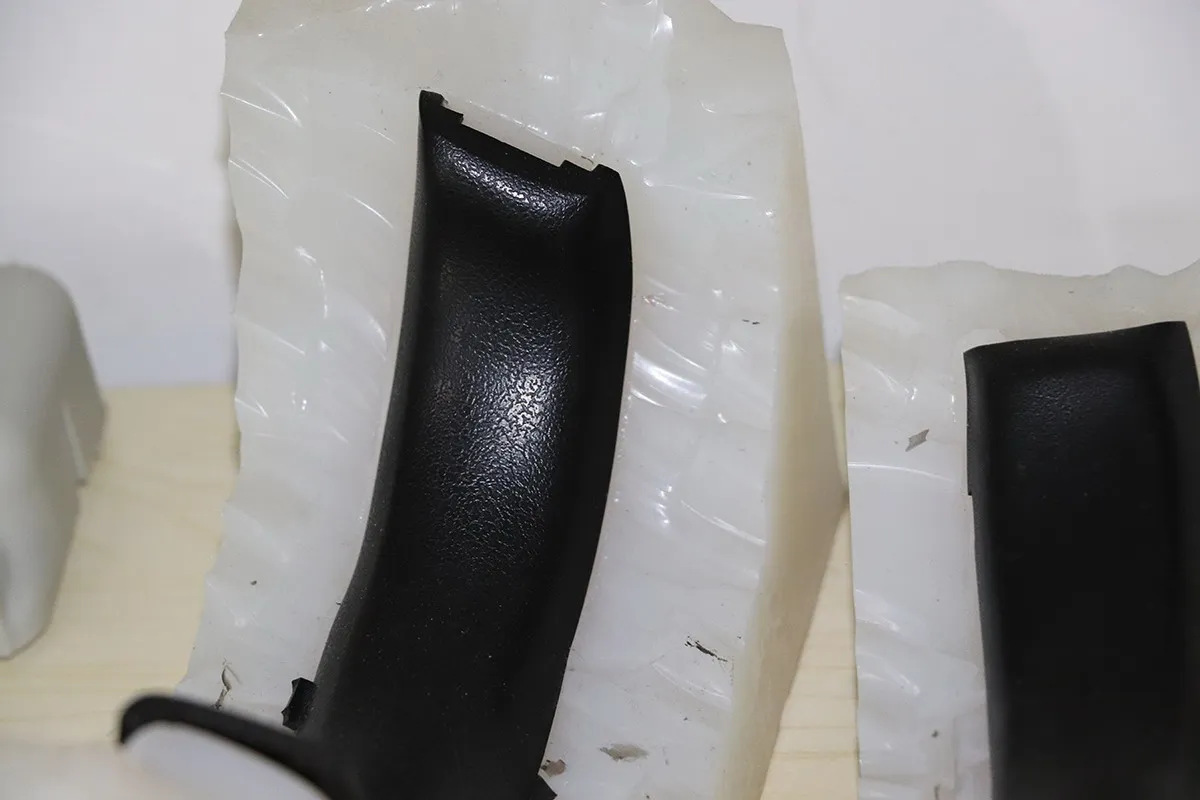
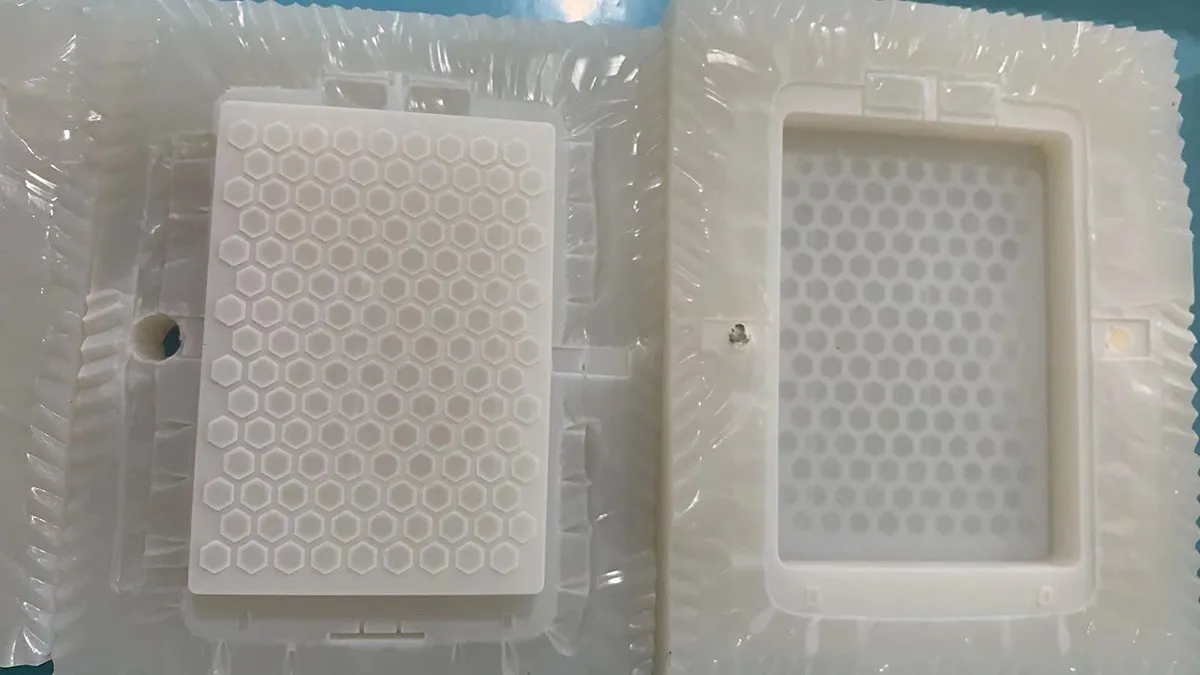
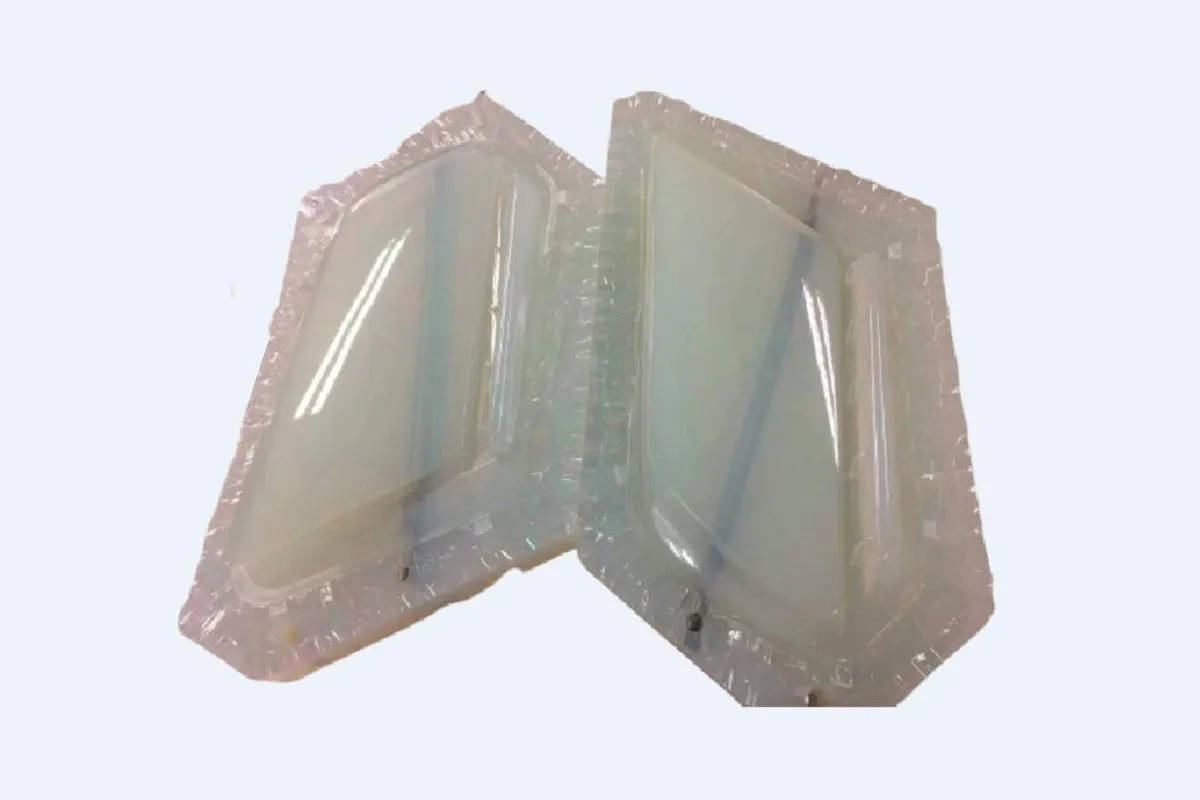
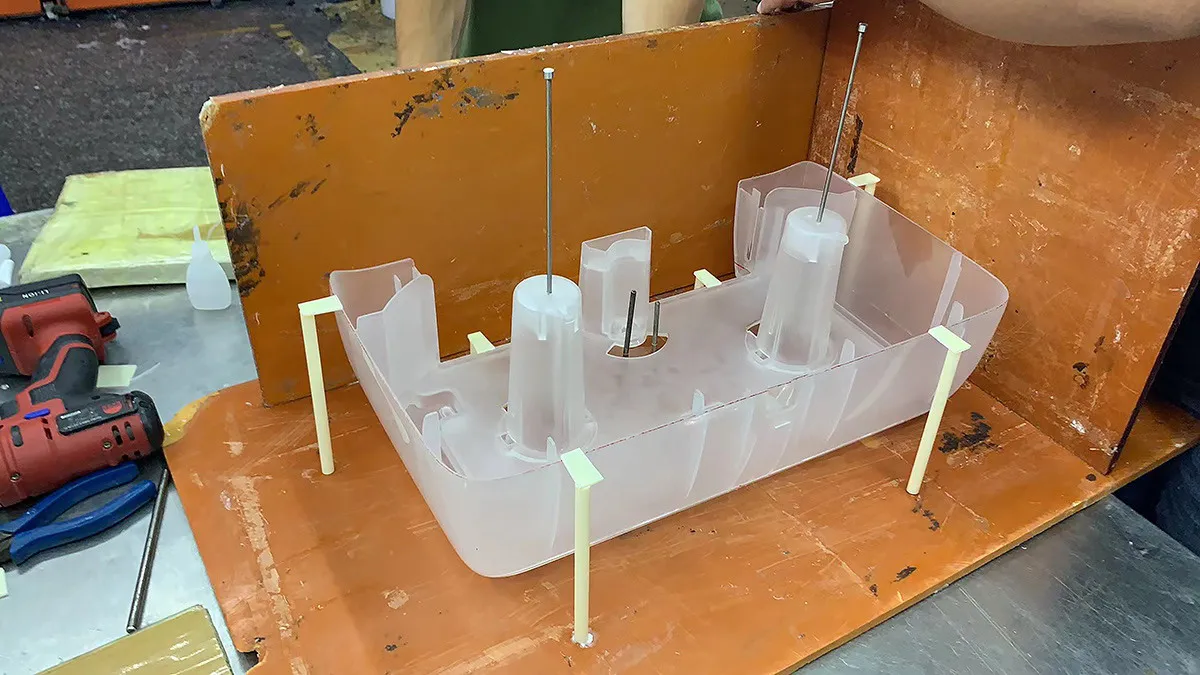
Vacuum Casting, also called silicone mould, is a manufacturing process to make the mold in silicone from a master model, and then cast the parts out from polyurethane, transparent polyurethane, ABS and other materials under vacuum, to achieve the strength and hardness of ABS and other materials. The parts can be casted according to the color required by customers.
Vacuum Casting is the best replacement of injection molding for low volume products. Casting material hardness and strength is very close to the injection molding material. Vacuum casting is a very low-cost and fast way to make prototypes if you want 20 to 100pcs of parts.
Advantages of Vacuum Casting
Fast turnaround
Usually 2 weeks or less to make parts ready
Surface finish options
Different Colors, Textures & Finishes Available
Economical in both cost and time
Silicone molds are less expensive than metal tools, but more easier and faster to make
Repeatability
Silicone molds can be used around 20 times before replacing
large part making capacity
Very large parts can be produced shortly, supported by large vacuum casting machine
Excellent Physical Propertie
The casting parts have good Physical Properties for functional purpuse
Casting Resin Material Available
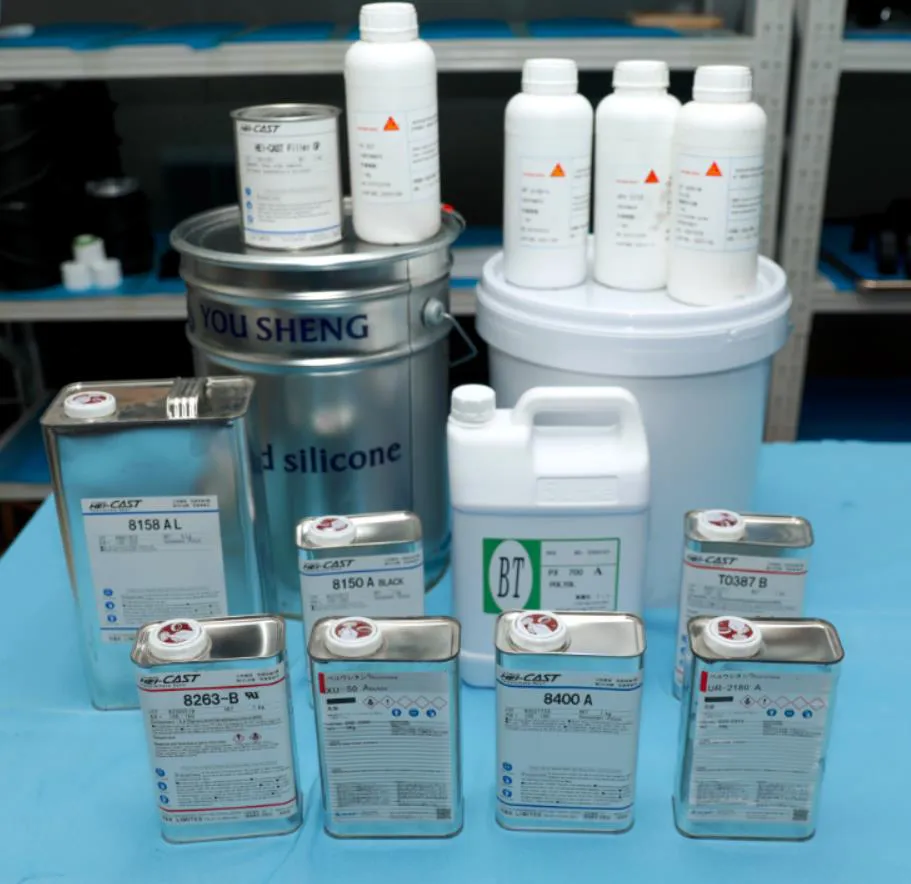
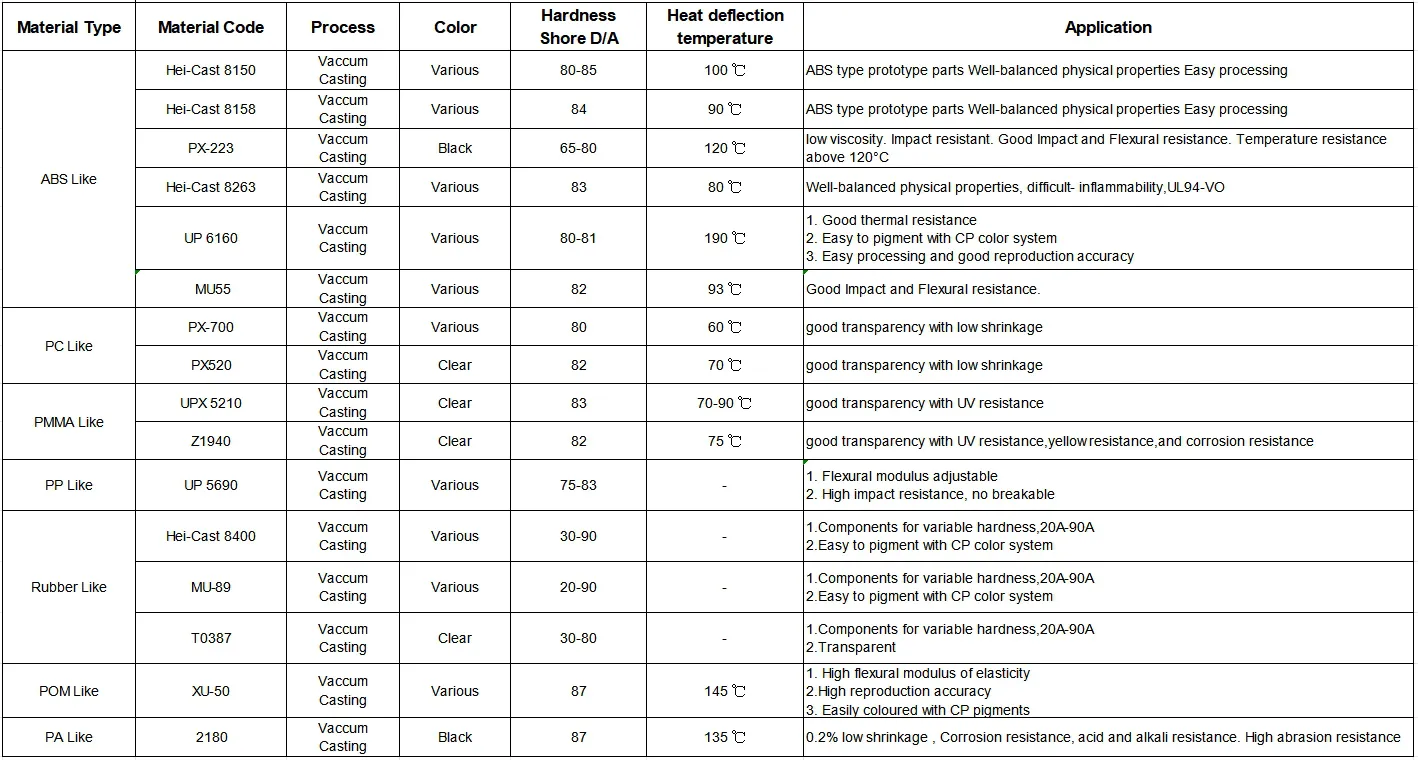
Casting resins are polymers with a wide range of properties and use. Zhiyou offers different kinds of casting resins materials to meet your applications, including Axson from France and Hei-Cast from Japan. Materials with certain properties are similar to engineering production plastics, such as ABS, PMMA, PC, PP, PA, etc. Some special materials are also available, like high-temperature resistant (120℃ or 200℃) or fire-resistant (UL94-V0).
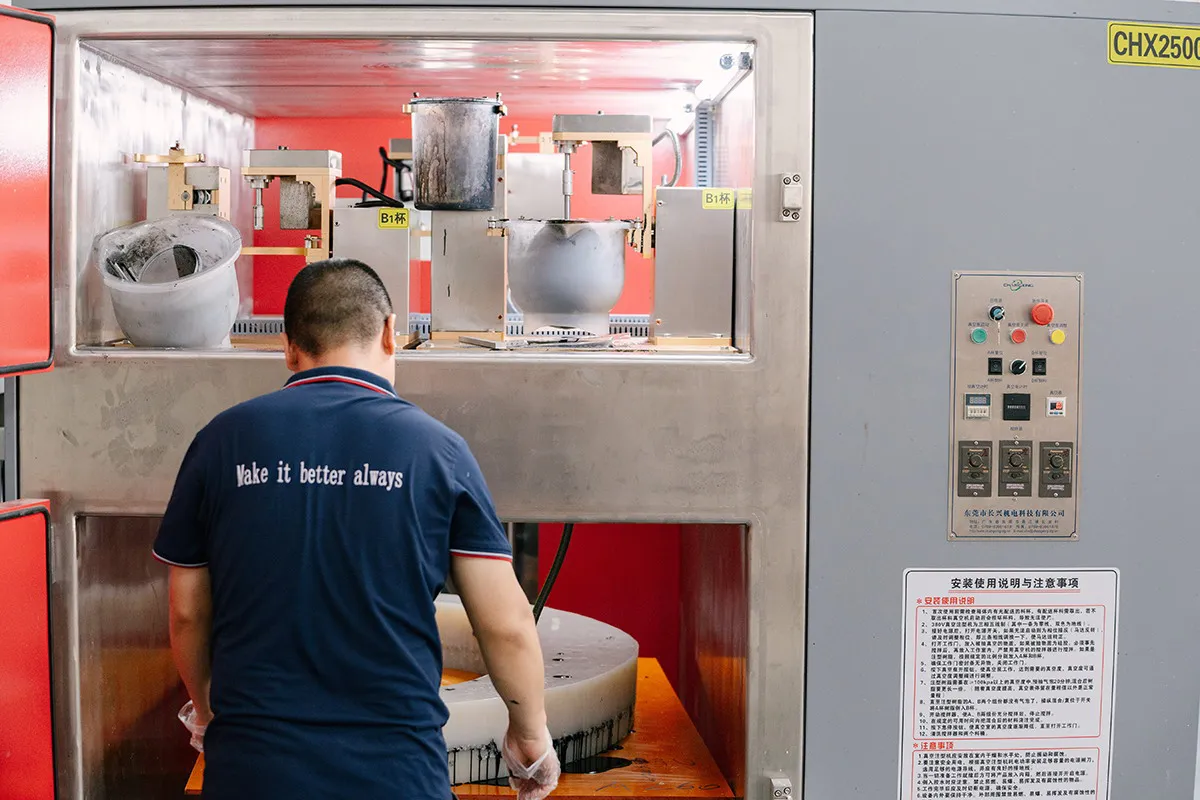
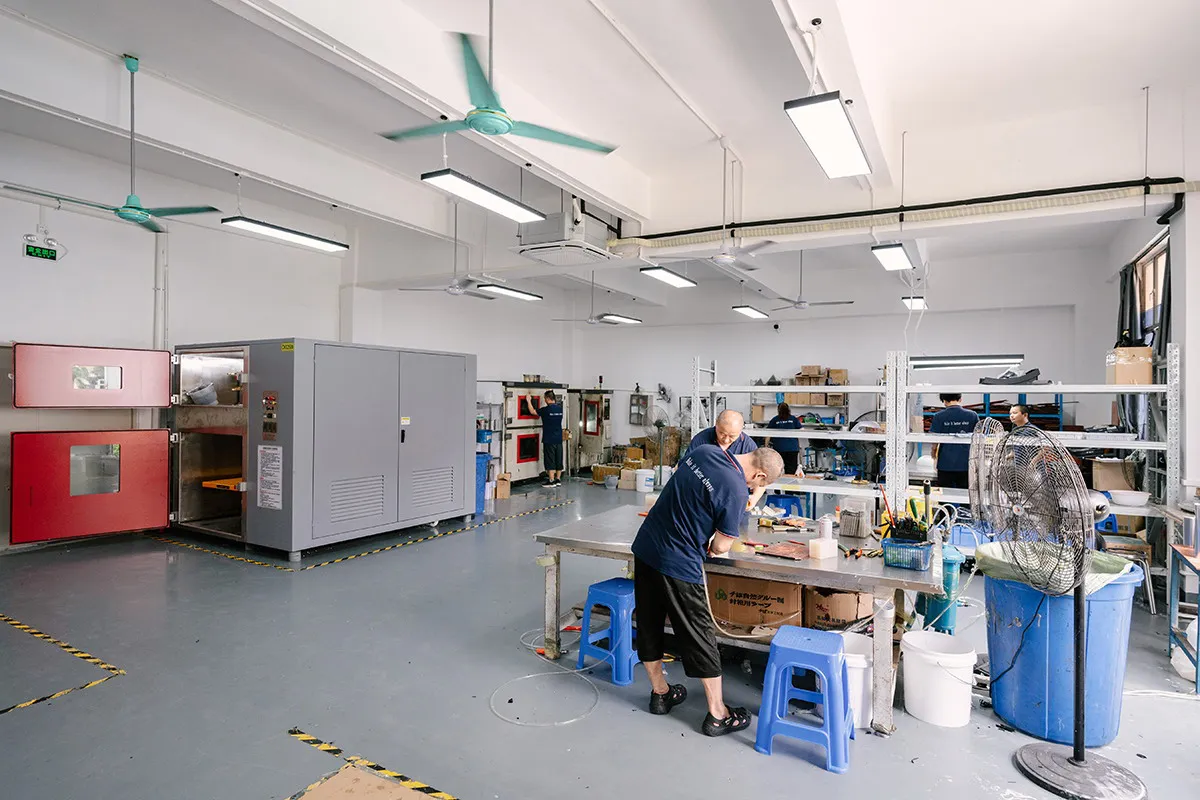
Our Vacuum Casting Capability
How It Works (3 steps)
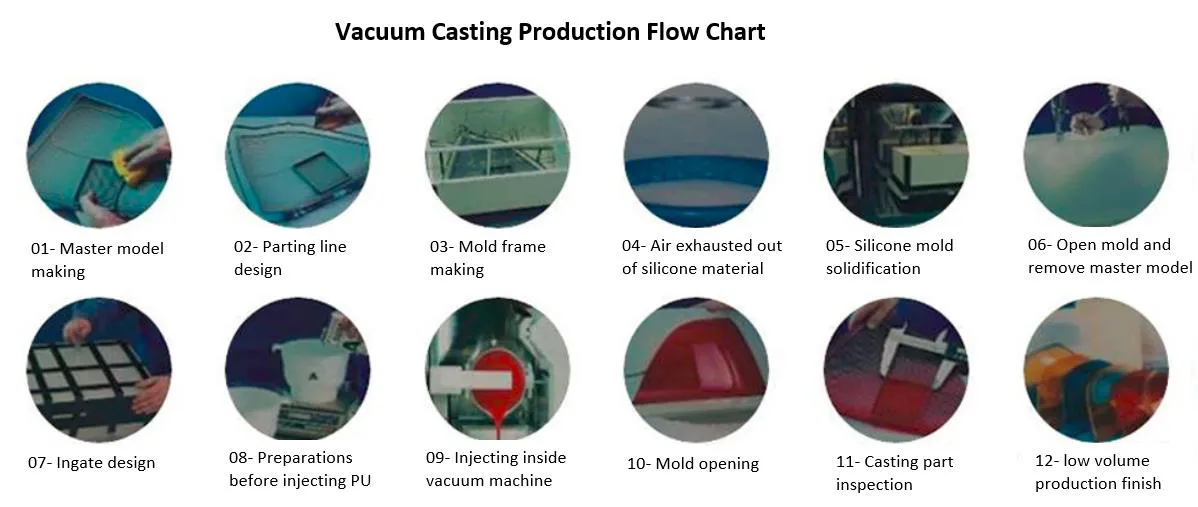
Step 1. Master model building– CNC machined or 3D printed via SLA or SLS
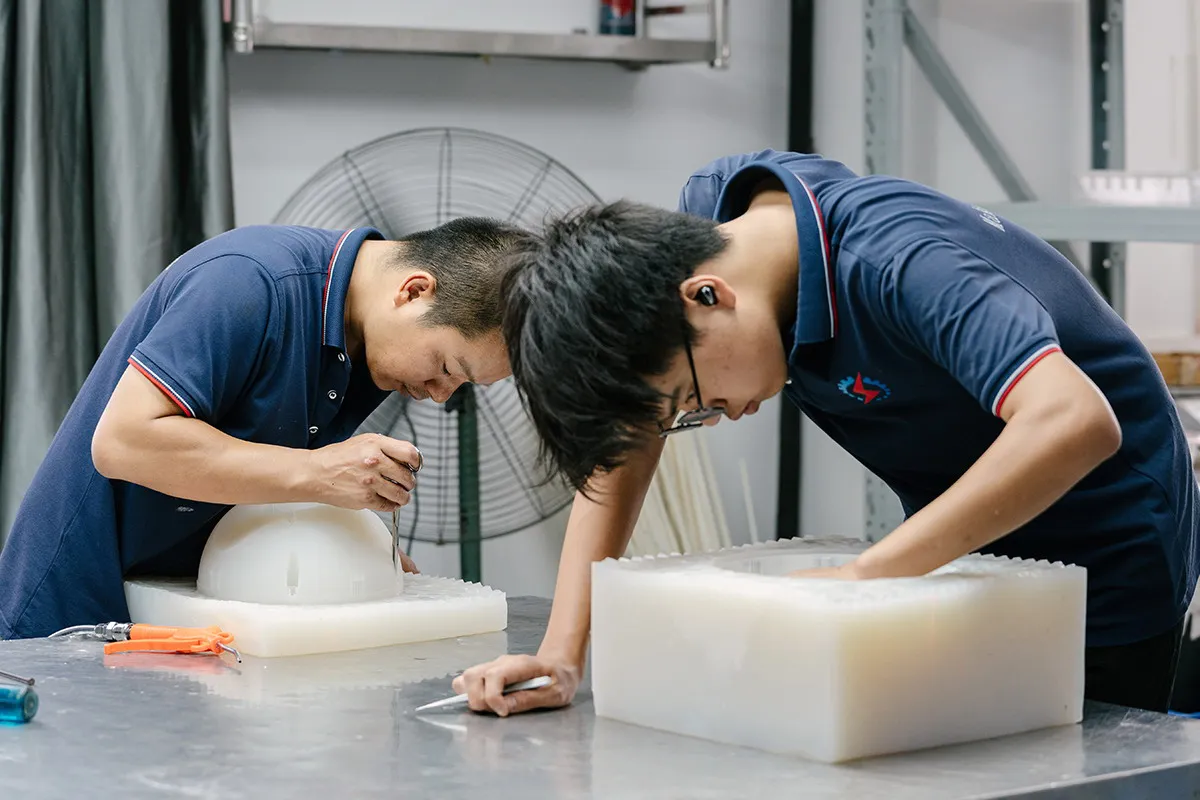
Step 2. Silicone mold making – liquid silicone is poured around the master model and fully cured. Once dried, the mold is cut open and master is removed
Step 3. Casting parts – the casting resin is poured into the cavity to create products, like replicate
Detailed step as below
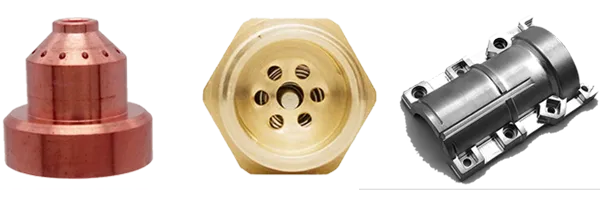
CNC Machining Parts
Vacuum Casting Parts
Vacuum Casting Parts
Vacuum Casting Parts
Vacuum Casting Parts
Vacuum Casting Parts
Vacuum Casting Parts
Vacuum Casting Parts
Vacuum Casting Parts
Vacuum Casting Parts
Vacuum Casting Parts
Vacuum Casting Parts
Vacuum Casting Parts
Vacuum Casting Parts
Vacuum Casting Parts
Vacuum Casting Parts
Vacuum Casting Parts
±0.02mm
Tolerance
20+
Machines
6 Days
Samples Delivered
ISO
13485, 16949, 14001
ZY VACUUM CASTING Urethane Casting Service
ZY VACUUM CASTING’s urethane casting services support every stage from prototype testing, function validation and market testing phases. Operating from ISO-certified facilities and vetted manufacturing partners, we ensure you stay on sechedule and within budget. We cast urethane parts with tolerances down to ±0.10mm and lead times as short as 6 days. A variety of polyurethane and silicone materials, surface finishes, and color options are available for applications in automotive, electronics, and consumer products.
Precision Metal Components
Precision Metal Components
Precision Metal Components
Precision Metal Components
Precision Metal Components
Precision Metal Components
Precision Metal Components
Precision Metal Components
Precision Metal Components
Precision Metal Components
Precision Metal Components
Precision Metal Components
Precision Metal Components
Precision Metal Components
Precision Metal Components
Precision Metal Components
Precision Metal Components
ZY VACUUM CASTING Vacuum Casting Capabilities
Swipe to scroll
Feature
Description
Tolerance
At ZY VACUUM CASTING, replicated casts follow ISO-2768-CL standards. Local tolerances can reach ±0.15mm, and small holes can achieve up to ±0.10mm precision.
Color and Finishing
Supports a wide range of colors, transparency levels, and surface finishes.
Maximum Part Size
Up to 2.3 × 1.3 × 0.6 meters.
Daily Capacity
Up to 200 pieces per day.
Lead Time
Lead time varies based on part complexity and order volume. The full process includes prototype making, silicone mold creation, casting, and finishing. Simple single parts can ship in under 5 days, but larger batches may require more time depending on the project.
From Prototyping to Production
Moving from initial concepts to market-ready products, ZY VACUUM CASTING’s vacuum casting services offer cost-effective solutions for your product development.
Vacuum casting is a precision manufacturing process used to create high-quality plastic or rubber parts in small to medium production runs. By utilizing a vacuum to draw liquid material into a silicone mold, this technique produces detailed, consistent components that closely replicate the original master pattern. Ideal for prototyping and low-volume production, vacuum casting offers a cost-effective alternative to injection molding, with faster turnaround times and exceptional surface finish capabilities. Common applications include automotive parts, medical devices, and consumer electronics components, where accuracy and aesthetic quality are critical.
Vacuum Casting With ZY VACUUM CASTING
At ZY VACUUM CASTING, our vacuum casting services combine advanced technology with expert craftsmanship to deliver superior results for your project. We specialize in producing complex parts with tight tolerances, using state-of-the-art vacuum casting equipment and high-grade materials. From rapid prototyping to bridge production, our process ensures:
Precise replication of intricate details (down to 0.1mm accuracy)
A wide range of material options, including polyurethanes, silicones, and rubber-like compounds
Custom finishes (painting, plating, texturing) to match your specifications
Fast lead times (as little as 3-6 days for small batches)
Whether you need functional prototypes or end-use parts, ZY VACUUM CASTING’s vacuum casting solutions scale with your needs, reducing costs without compromising quality.
Ready to get started on your Vacuum Casting Service?
Types of Vacuum Casting
Vacuum casting encompasses several specialized techniques tailored to different materials and applications:
Polyurethane Vacuum Casting: The most common type, using two-part polyurethane resins to create rigid or flexible parts. Ideal for mimicking the properties of engineering plastics (ABS, PP, PC).
Silicone Vacuum Casting: Uses liquid silicone rubber (LSR) to produce heat-resistant, flexible components. Suitable for gaskets, seals, and medical devices.
Rubber Vacuum Casting: Focuses on elastomeric materials, delivering parts with high durability and elasticity, often used in automotive and industrial seals.
Overmolding Vacuum Casting: Combines multiple materials (e.g., rigid plastic with soft rubber) in a single process, enabling complex, multi-material parts.
Ready to get started on your Vacuum Casting Service?
Materials for Vacuum Casting
Vacuum casting supports a diverse range of materials to match specific functional requirements:
Polyurethanes: Available in rigid (Shore D 60-85), flexible (Shore A 30-90), and foam variants. Resistant to impact, chemicals, and UV exposure.
Silicone Rubbers: Heat-resistant (up to 200°C), biocompatible, and excellent for electrical insulation. Ideal for medical tools and high-temperature applications.
Thermoplastic Elastomers (TPE): Offer rubber-like elasticity with plastic processability, suitable for grips, gaskets, and wearables.
Epoxies: Provide high strength and dimensional stability, often used for structural components and electronics housings.
Each material can be customized with additives for flame resistance, conductivity, or color matching.
Ready to get started on your Vacuum Casting Service?
Finishes for Vacuum Cast Parts
Vacuum cast parts can be enhanced with a variety of finishes to meet aesthetic and functional needs: